
$80.00 – $700.00Price range: $80.00 through $700.00
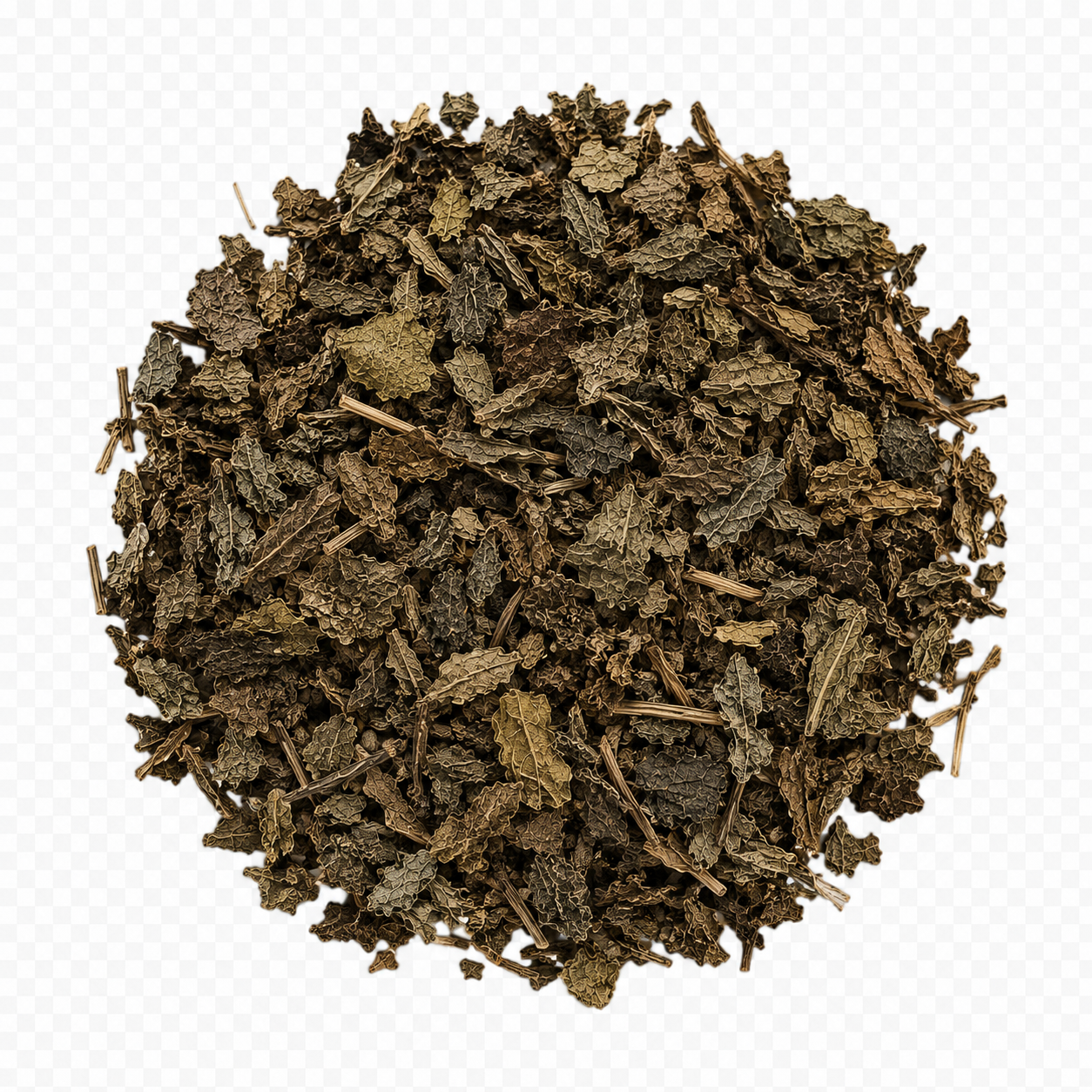
Our Salvia divinorum dried leaves come from mature plants and retain their natural leaf structure after careful drying. Each batch features recognizable leaf shapes, visible veins, and naturally varied green-to-brown tones. Choose your preferred quantity for secure packaging and careful order preparation.
Salvia Divinorum Dried Leaves
Salvia divinorum dried leaves provide one of the most direct preserved forms of the plant. Growers collect broad, mature leaves and dry them carefully to maintain their natural appearance and structure.
As a result, the leaves retain visible veins, a thin texture, and recognizable outlines. Unlike powder, tincture, or concentrated extracts, these leaves receive no additional processing after drying.
Each order may contain whole leaves, larger leaf sections, and smaller natural fragments. Because dried leaves become delicate, some pieces may break during handling, packaging, or delivery.
Carefully Dried and Selected
Proper drying helps maintain the appearance, texture, and structure of the leaves. Therefore, we check each batch for dryness, color, consistency, and overall condition before packing it.
Natural plant material can vary between harvests. For example, some leaves may appear greener, while others may show olive, brown, or darker tones. These differences often reflect plant maturity, growing conditions, and the drying process.
However, we keep the product in recognizable leaf form instead of grinding it into powder.
Key Product Features
- Leaves collected from mature Salvia divinorum plants
- Naturally dried leaf material
- Visible leaf veins and surface texture
- No extraction or added concentration
- Whole leaves and naturally broken pieces
- Multiple quantity options
- Secure and discreet packaging
- Careful order preparation
How Dried Salvia Divinorum Leaves Differ
Dried Salvia divinorum leaves remain closer to the plant’s original structure than other available forms. Therefore, they offer a straightforward option for customers who prefer recognizable leaf material.
Dried leaves retain their natural shape, texture, and visible veins after dehydration.
Salvia powder, in contrast, contains finely ground leaf material and no visible whole-leaf structure.
Salvia extracts undergo additional processing and come in marked strength levels such as 5x, 20x, or 40x.
Salvia tincture, meanwhile, comes in liquid form and uses measured bottles for packaging.
Live plants and cuttings continue growing and require suitable care after delivery.
Consequently, dried leaves sit between living plant material and heavily processed products.
Natural Appearance and Variation
Since Salvia divinorum comes from a natural plant, every batch may look slightly different. Leaf size, color, texture, and shape can vary depending on the original plant and drying conditions.
For example, your order may include:
- Whole dried leaves
- Large leaf sections
- Smaller naturally broken pieces
- Light green, olive, brown, or darker tones
- Visible veins or small stems
These variations form part of the natural character of dried botanical material. Therefore, small differences in color or shape do not automatically indicate a quality issue.
Common Misunderstandings
Customers sometimes confuse dried leaves with powder or extracts. However, each form has a different appearance and processing level.
Dried leaves preserve recognizable leaf sections, while powder has a finer and more uniform texture. Extracts, on the other hand, contain processed material and usually display a strength level.
In addition, natural breakage does not mean the product arrived as powder. Dried leaves become fragile, so some pieces may break during packing or transportation.
Color changes can also cause confusion. Nevertheless, green, olive, brown, and darker tones often result from plant maturity and drying conditions rather than poor quality.
Packaging and Order Preparation
We measure each selected quantity carefully before placing it in secure packaging. Next, we seal the package to help protect the leaves from moisture, unnecessary exposure, and damage during handling.
Additionally, we use plain outer packaging without unnecessary product wording. Once we dispatch your order, we will provide tracking information when available.
Product Details
Product Name: Salvia Divinorum Dried Leaves
Botanical Name: Salvia divinorum
Product Form: Naturally dried leaves
Processing Level: Dried only
Appearance: Whole leaves, sections, and natural fragments
Available Quantities: Select from the product options
Packaging: Sealed and discreet
Storage: Keep sealed in a cool, dry place away from heat, moisture, and direct sunlight
Explore Other Salvia Forms
Customers who want to compare formats can also explore our Salvia extracts, Salvia powder, Salvia tincture, Salvia cuttings, and Salvia seeds.
Each product page explains the form, appearance, packaging, and available options. Therefore, customers can compare the different products before choosing the option that best fits their order.
Frequently Asked Questions
What are Salvia divinorum dried leaves?
Salvia divinorum dried leaves come from mature plants and retain their recognizable structure after careful drying.
Are dried leaves the same as Salvia extracts?
No. Dried leaves receive no concentration or extraction. In contrast, extracts undergo additional processing and come in different strength levels.
Will every package contain complete whole leaves?
Not always. Because dried leaves become fragile, packages may contain whole leaves, larger sections, and smaller naturally broken pieces.
Why does the leaf color vary?
Natural color variation can result from plant maturity, growing conditions, and the drying process. Therefore, leaves may range from green and olive to brown or darker tones.
Are dried leaves the same as powdered Salvia?
No. Dried Salvia divinorum leaves retain visible leaf structure, while powdered material has a fine and uniform texture.
How should I store the package?
Keep the package securely sealed in a cool, dry place. Additionally, protect it from direct sunlight, heat, and moisture.
| Options | 100g, 200g, 300g, 400g, 500g, 1kg, 2kg |
|---|
Julien Moreau –
Produit de très bonne qualité, soigneusement emballé et bien conservé. Les feuilles étaient intactes et propres à la réception. Livraison rapide et service sérieux. Très satisfait de mon achat.
Lukas Schneider –
Sehr professionelle Verpackung und gute Qualität. Die Blätter kamen frisch und unbeschädigt an. Schneller Versand und zuverlässiger Verkäufer. Absolut empfehlenswert.
Daniel –
The leaves looked authentic and were in great condition upon arrival. No crumbling, no dust—just well-preserved, whole leaves. Shipping was discreet and faster than expected. Would definitely order again.
Pieter V. –
Ik had eerder gemengde ervaringen met gedroogde salviabladeren, dus ik bestelde dit keer met lage verwachtingen. De verzending duurde iets langer dan aangekondigd, wat me even liet twijfelen, maar bij aankomst was ik positief verrast. De bladeren waren grotendeels intact, schoon en zagen er niet oud of verkruimeld uit. Geen muffe geur, gewoon zoals het hoort. Alles bij elkaar voelde dit als een eerlijke aankoop bij een verkoper die levert wat hij belooft. Ik zou hier zonder problemen opnieuw bestellen
Natalie C. –
I prefer dried leaves over extracts, and this batch did not disappoint. The leaves were well-preserved, not overly crushed, and had a natural smell that told me it was good quality. I used the traditional chewing method and had a very gradual, calming experience. Nothing overwhelming — just a subtle shift and deep relaxation. Exactly what I was looking for.