
$30.00 – $50.00Price range: $30.00 through $50.00
Salvia divinorum cuttings come from healthy, established parent plants and provide the most common preserved plant form used in cultivation. Each cutting retains the characteristics of its parent plant and arrives as an early-stage live botanical specimen rather than a mature plant.
Salvia Divinorum Cuttings
Salvia divinorum cuttings provide the most common way growers preserve and continue established plant lines. Growers select healthy stem sections from mature parent plants because Salvia divinorum rarely produces reliable, viable seeds.
As a result, each cutting retains the characteristics of the original parent plant. Unlike seeds, cuttings do not introduce the same level of genetic variation. Therefore, they offer a more consistent starting point for botanical collections and plant-line preservation.
What Salvia Divinorum Cuttings Are
A Salvia divinorum cutting consists of a selected stem section taken from an established plant. The cutting represents an early growth stage and should not be confused with a fully developed live plant.
Because each cutting comes from a parent plant, it carries the same underlying plant characteristics. Consequently, growers often rely on cuttings when they want to maintain a known plant line rather than begin with uncertain seed material.
Why Cuttings Matter
Salvia divinorum cuttings play an important role in maintaining continuity between plant generations. Seeds can introduce variation, while cuttings preserve the established characteristics of the parent plant.
Moreover, cuttings help maintain cultivated plant lines without depending on unpredictable seed production. Since Salvia divinorum rarely produces viable seeds, this method remains the most widely recognized form of propagation.
Therefore, cuttings serve as the bridge between an established parent plant and a developing live plant.
Key Product Features
- Taken from healthy, established parent plants
- Early-stage live plant material
- Preserves the parent plant’s characteristics
- More consistent than seed-grown material
- Carefully selected before order preparation
- Packed with live-plant handling in mind
- Available according to current plant stock
- Suitable for botanical collection and plant-line preservation
Cuttings Compared With Live Plants
Salvia divinorum cuttings and mature live plants represent different growth stages.
Cuttings remain at an early stage and require time to establish.
Rooted young plants have already started developing a stronger root structure.
Mature live plants show more established stems, leaves, and overall growth.
Therefore, customers should not expect a cutting to arrive with the size or appearance of a mature plant. Instead, it represents the starting form from which a larger plant may develop.
How Cuttings Differ From Seeds
Salvia divinorum seeds remain uncommon because the plant rarely produces viable seed material. In addition, seed-grown plants can introduce natural genetic variation.
Cuttings, by contrast, come directly from established parent plants. As a result, they maintain greater consistency in plant characteristics.
This difference explains why cuttings remain more widely available than Salvia divinorum seeds.
Natural Appearance and Variation
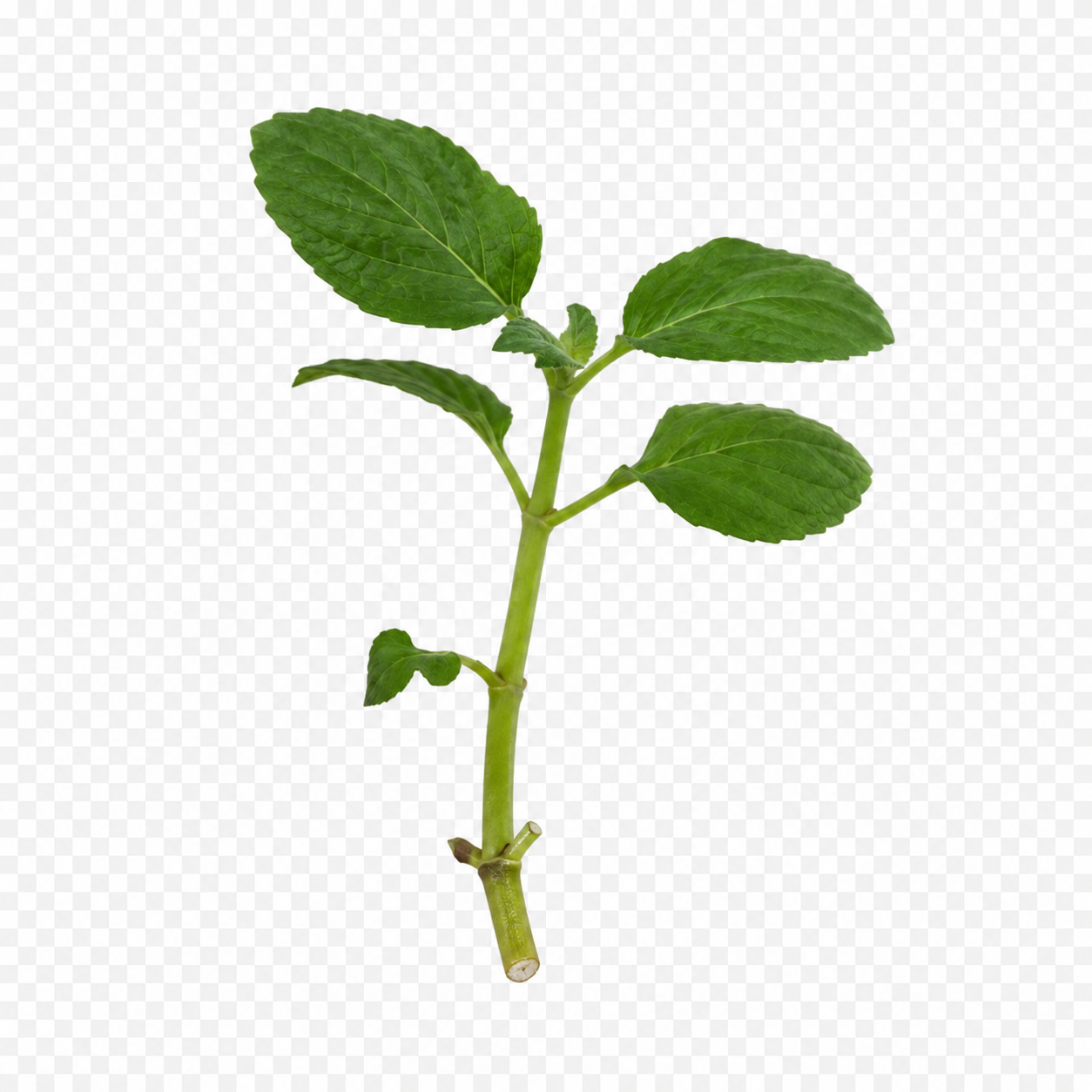
Every live cutting may look slightly different because it comes from natural plant material. Stem thickness, leaf size, color, and overall shape can vary between individual cuttings.
For example, a cutting may arrive with:
- A selected stem section
- One or more visible nodes
- A small number of leaves
- Minor natural marks
- Slight variation in color or size
These differences reflect natural plant growth. Therefore, no two cuttings will appear completely identical.
Availability and Order Preparation
Live Salvia divinorum cuttings depend on current plant health and available parent growth. Consequently, stock may change more frequently than dried products, powders, tinctures, or extracts.
We review each cutting before preparing an order. In addition, we use packaging intended to reduce unnecessary movement and exposure during transit.
Because this is live plant material, delivery conditions can affect its appearance on arrival. Temporary leaf drooping or minor cosmetic stress may occur during transportation.
Cuttings and Plant-Line Preservation
Cuttings support the long-term preservation of cultivated Salvia divinorum lines. Since each cutting comes from an existing parent plant, growers can maintain the same plant characteristics across successive generations.
Furthermore, this method reduces dependence on rare seed production. For that reason, cuttings remain central to botanical collections, plant documentation, and lineage preservation.
Common Misunderstandings
Customers sometimes assume that a cutting and a mature plant are the same product. However, a cutting represents a much earlier stage of development.
People also expect every cutting to look identical. Nevertheless, natural differences in stem shape, leaf condition, and size can appear between individual specimens.
Finally, some customers assume seeds provide the main source of new Salvia divinorum plants. In reality, viable seeds remain rare, so cuttings provide the more common plant form.
Product Details
Product Name: Salvia Divinorum Cuttings
Botanical Name: Salvia divinorum
Product Form: Live plant cutting
Growth Stage: Early-stage plant material
Source: Established parent plant
Appearance: Stem section with natural leaf and size variation
Availability: Based on current live plant stock
Packaging: Prepared for live botanical shipment
Condition: Live plant material
Important Live-Plant Notice
Live plant material can react to temperature changes, movement, and time in transit. Therefore, the cutting may not look exactly the same on arrival as it did before shipment.
Customers should also confirm that they may purchase and possess Salvia divinorum plants or cuttings in their location before placing an order.
Explore Related Salvia Products
Customers comparing plant forms can also explore our Salvia divinorum live plants, Salvia divinorum seeds, dried leaves, powder, tincture, and extracts.
Each page explains the product form, appearance, and main differences so customers can compare available options clearly.
Frequently Asked Questions
What are Salvia divinorum cuttings?
Salvia divinorum cuttings are selected stem sections taken from established parent plants. They represent an early stage of live plant development.
Are cuttings the same as mature live plants?
No. A cutting represents an earlier growth stage, while a mature plant has more developed stems, leaves, and roots.
Why are cuttings more common than seeds?
Salvia divinorum rarely produces reliable viable seeds. Therefore, growers commonly rely on cuttings to preserve established plant lines.
Do cuttings retain the parent plant’s characteristics?
Yes. Since the cutting comes directly from a parent plant, it retains the same underlying plant characteristics.
Will every cutting look identical?
No. Natural differences in stem size, leaf count, shape, and color may appear between individual cuttings.
Can transportation affect the cutting’s appearance?
Yes. Live plant material may temporarily show drooping, leaf stress, or minor cosmetic changes after transportation.
| Cutting Size | Small Cutting – 4 to 6 inches, Medium Cutting – 7 to 9 inches, Large Cutting – 10 to 12 inches |
|---|---|
| Quantity | 3 Cuttings, 4 Cuttings, 5 Cuttings, 6 Cuttings, 7 Cuttings, 8 Cuttings, 9 Cuttings, 10 Cuttings |
Natalie W –
It exceeded my expectations. It arrived green, hydrated, and very fresh — not wilted or yellow like I’ve had from other sources. You can tell it came from a mature, well-maintained mother plant. It adapted quickly to my setup and is already showing new growth.
Tomasz K –
Sadzonka dotarła w świetnym stanie, dobrze zabezpieczona i bardzo świeża. Liście były zdrowe, a łodyga mocna. Po kilku dniach w wilgotnym środowisku zaczęła się ukorzeniać. Widać, że pochodzi z zadbanej rośliny matecznej.
Oliver B. –
Ordering live Salvia cuttings online always feels like a gamble, so I didn’t expect perfection. Tracking updates were slow, which made me nervous, but the cutting arrived in much better shape than I imagined. The stem was firm, the leaves still had color, and nothing was crushed or soggy.
After a short adjustment period, it settled in well and showed signs of strength. What stood out most was the thoughtful packaging and the fact that the cutting matched the listing exactly. Overall, a smooth experience and a seller I’d trust again for live plants.