
Price range: $80.00 through $220.00
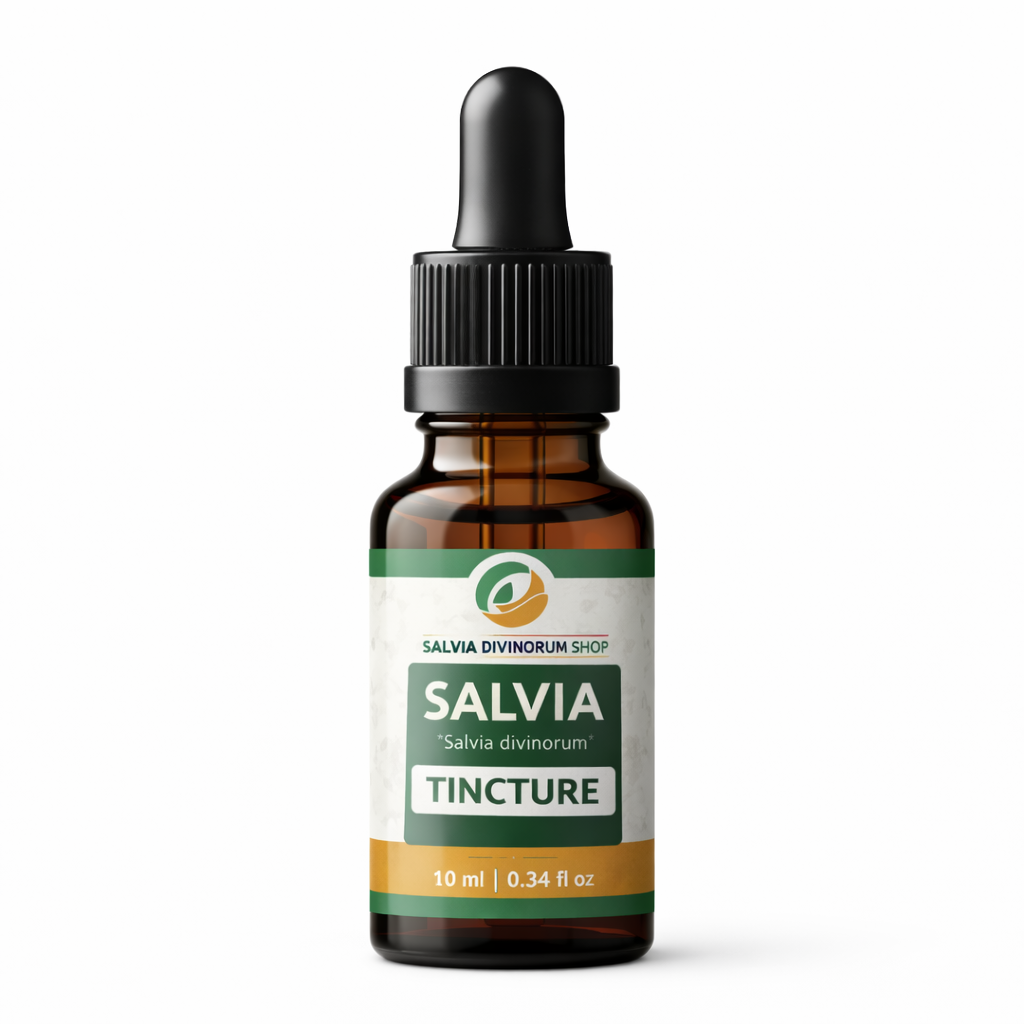
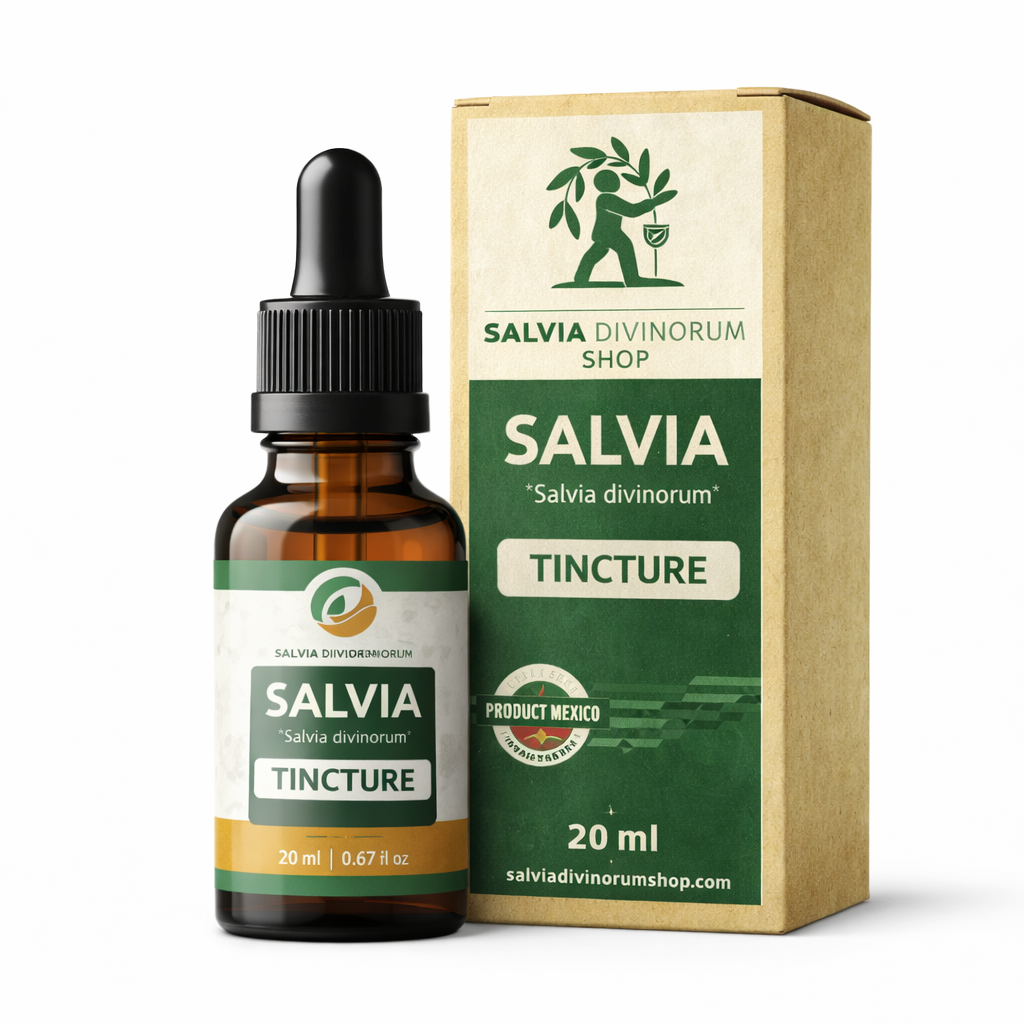
Salvia Divinorum Tincture presented as a liquid botanical preparation. This format highlights physical form differences without altering plant identity.
Salvia Divinorum Tincture refers to a liquid botanical preparation derived from Salvia divinorum leaf material. Therefore, this page explains what a tincture is, how it differs from powders, dried leaves, and extracts, and why clear definitions matter when people encounter this form.
What This Salvia Divinorum Tincture Is
Salvia Divinorum Tincture comes from salvia divinorum leaves that producers steep in a liquid medium to transfer plant constituents into solution. Unlike powders or dried leaves, a tincture exists in liquid form and does not retain visible plant structure.
Because this format changes appearance rather than plant identity, people often misunderstand what a tincture represents. Consequently, this section focuses on definition and form rather than assumptions or claims.
Why Salvia Divinorum Tincture Matters
Salvia Divinorum Tincture matters because it represents a different physical presentation of the plant. While dried leaves preserve structure and powders alter texture, tinctures transform plant material into a stable liquid reference.
Moreover, tinctures allow consistent observation of color, clarity, and preparation style. As a result, educators, researchers, and collectors often reference tinctures when discussing botanical processing methods rather than raw plant form.
How Salvia Divinorum Tincture Differs From Other Forms
Many sources blur distinctions between salvia formats. However, understanding differences improves clarity and accuracy.
-
Salvia Divinorum Tincture exists as a liquid botanical solution
-
Dried leaves preserve original leaf structure
-
Powder changes texture without altering chemistry
-
Extracts involve compound concentration
Therefore, tinctures occupy a unique position as a liquid representation rather than a structural or concentrated form.
Features & Insights
| Topic | High-Value Insight |
|---|---|
| Source Material | Derived from mature salvia divinorum leaves |
| Physical Form | Liquid solution with no visible leaf structure |
| Processing Type | Infusion into a liquid medium |
| Visual Identity | Color and clarity vary by preparation |
| Stability | Remains consistent when properly stored |
| Reference Value | Useful for discussing botanical formats |
Common Misunderstandings
Several misunderstandings appear frequently. Fortunately, clear explanations resolve them.
-
People assume tincture equals extract
-
Liquid form often gets mistaken for concentration
-
Appearance changes get misread as potency indicators
By addressing these points directly, this page removes confusion instead of reinforcing it.
Related Terms People Encounter
Readers often see different phrases describing similar material:
-
Salvia Divinorum Tincture
-
salvia liquid preparation
-
salvia botanical tincture
-
liquid salvia extract (misused term)
Understanding this language helps readers navigate inconsistent descriptions online.
Frequently Asked Questions
What is Salvia Divinorum Tincture?
It is a liquid botanical preparation derived from salvia divinorum leaf material.
How does a tincture differ from extracts?
A tincture changes physical form, while extracts involve concentration.
Does a tincture contain visible plant material?
No. The liquid does not retain leaf structure.
Why do people reference tinctures?
They help explain botanical processing and format differences.
Is tincture the same as powder or dried leaves?
No. Each form represents a different physical presentation.
Why This Page Exists
Many competitor pages rely on vague wording or implied claims. In contrast, this page explains Salvia Divinorum Tincture clearly, calmly, and accurately. By focusing on form, terminology, and context, it provides long-term value instead of surface-level answers.
| Types | 10ml, 20ml |
|---|---|
| quantity | 1, 2, 3, 4, 5 |
1 review for Salvia Divinorum Tincture
Add a review
Related products
Extracts
Extracts
Extracts
Extracts
Extracts
Extracts
Extracts
Priya S. –
I’ve been using salvia on and off for years, mostly extracts, but I wanted something less intense and more controllable. This tincture does exactly that. You can really dial in your dose and avoid the sudden intensity that smoking brings. I noticed more mental clarity and a kind of “detached observation” feeling. Very clean experience overall.