
$150.00 – $300.00Price range: $150.00 through $300.00
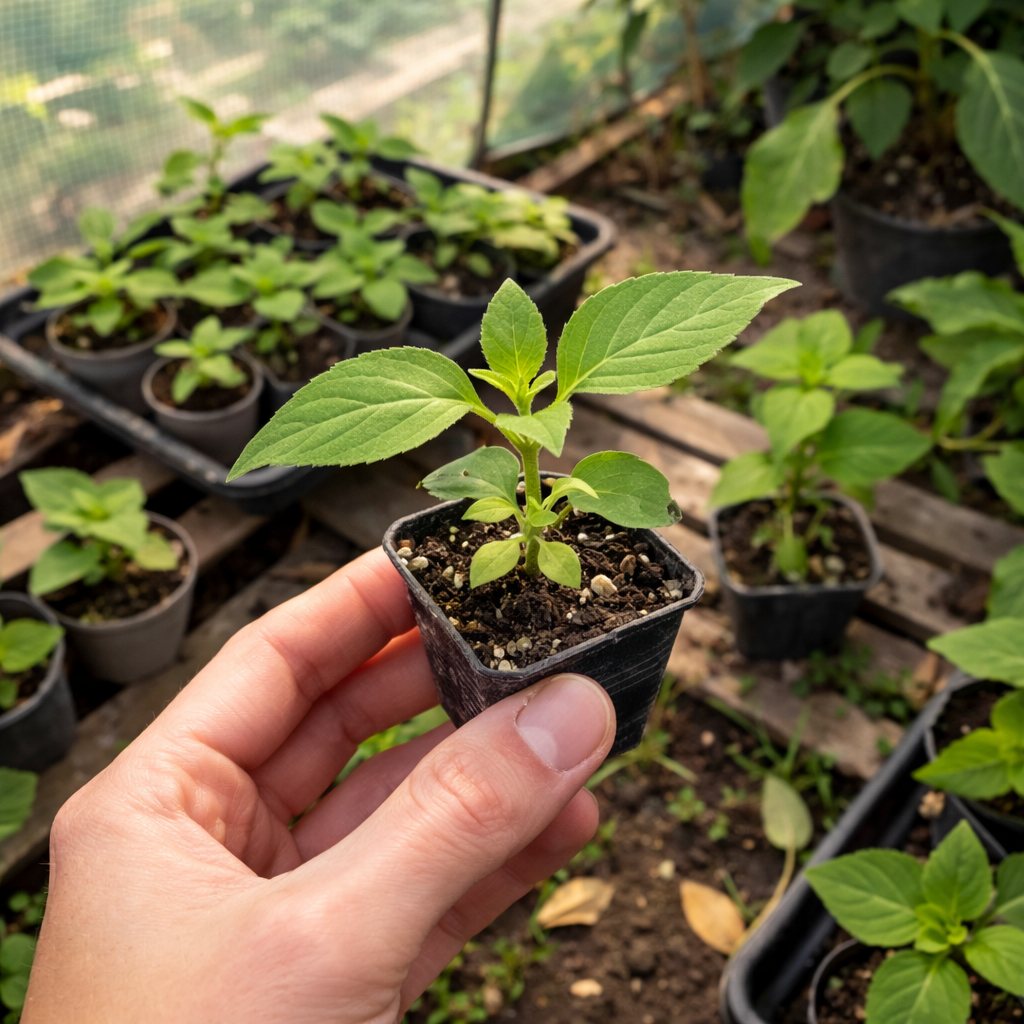
Salvia Divinorum cuttings taken from healthy plants. This form preserves genetics and represents the primary method of salvia propagation. Due to the nature of live plant material, this product is shipped exclusively through the express shipping method to ensure safe and timely delivery.
Salvia Divinorum Cuttings
Salvia Divinorum cuttings represent the most common and reliable way this plant continues in cultivation. Therefore, this page explains what cuttings are, how they differ from seeds and mature plants, and why this form plays a central role in preserving Salvia plant.
What These Salvia Divinorum Cuttings Are
Salvia cuttings come from healthy, mature plants and consist of carefully selected stem sections capable of developing roots. Growers take cuttings because Salvia divinorum rarely produces viable seeds and does not propagate consistently through flowering.
As a result, cuttings preserve the plant’s characteristics exactly. Each cutting reflects the genetics of the parent plant rather than introducing variation.
Why Salvia Divinorum Cuttings Matter
Divinorum cuttings matter because they maintain continuity. While seeds introduce variation, cuttings preserve established plant lines. Therefore, this method allows consistent plant identification and long-term cultivation.
Moreover, cuttings support conservation. By relying on propagated material, growers reduce pressure on wild populations. Consequently, cuttings remain the foundation of responsible salvia cultivation worldwide.
Salvia Divinorum Cuttings for Sale: Understanding the Context
When people search salvia divinorum cuttings for sale, they usually seek clarity about plant form rather than finished material. In many cases, they want to understand how cuttings differ from live plants or seeds.
Because cuttings represent an early growth stage, context matters. These cuttings require time to establish and develop. Therefore, this page focuses on definition and distinction instead of assumptions.
Buy Salvia Divinorum Cuttings: What People Usually Mean
Searches for buy salvia cuttings often reflect interest in plant propagation rather than immediate maturity. Many people want to understand why cuttings dominate availability and how they preserve genetic consistency.
Because Divinorum cuttings replicate a single parent plant, they support uniform growth patterns and predictable development. Therefore, this form suits botanical reference and cultivation discussion rather than experimentation.
Features & Insights
| Topic | High-Value Insight |
|---|---|
| Source Material | Taken from healthy, mature salvia divinorum plants |
| Genetic Role | Preserves parent plant genetics exactly |
| Propagation Value | Primary method due to rare seed production |
| Conservation Impact | Reduces reliance on wild plants |
| Growth Stage | Represents early development rather than maturity |
| Botanical Use | Supports lineage preservation and study |
How Cuttings Differ From Other Salvia Forms
Many sources blur distinctions between forms. However, understanding differences improves clarity.
-
Salvia Divinorum cuttings preserve genetics through cloning
-
Seeds introduce genetic variation
-
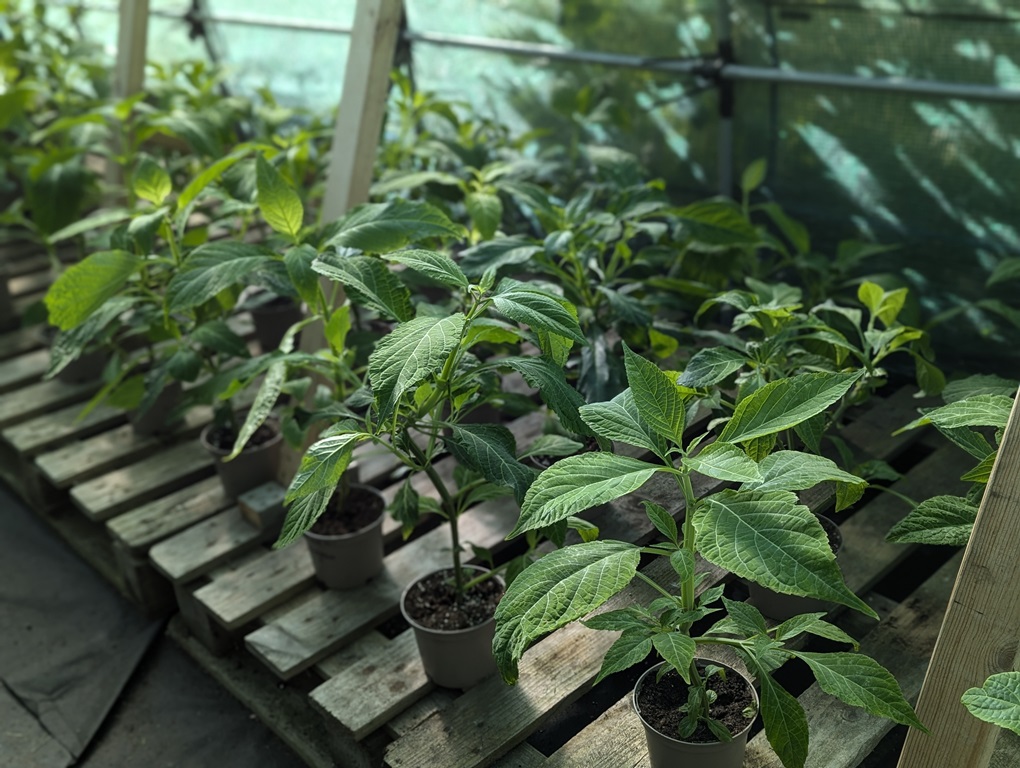
Live plants represent later growth stages
-
Dried leaves preserve mature foliage
Therefore, cuttings occupy a unique position as the bridge between propagation and growth.
Common Misunderstandings
Several misunderstandings appear frequently online:
-
People assume cuttings equal mature plants
-
Availability often gets overstated
-
Genetic consistency rarely gets explained
By addressing these points clearly, this page replaces confusion with accurate context.
Related Terms People Encounter
Readers often see different phrases describing similar material:
-
Salvia cuttings
-
salvia plant cuttings
-
diviner’s sage cuttings
-
salvia divinorum clones
Understanding this terminology helps readers navigate inconsistent descriptions.
Frequently Asked Questions
What are Salvia cuttings?
They are stem sections taken from mature plants that can develop roots.
Why are cuttings more common than seeds?
The plant flowers infrequently and rarely produces viable seeds.
Do cuttings preserve genetics?
Yes. Each cutting replicates the parent plant exactly.
Are cuttings the same as live plants?
No. Cuttings represent an earlier growth stage.
Why do people search salvia divinorum cuttings for sale?
Most people want clarity about propagation and plant form.
Why This Page Exists
Many competitor pages rely on vague claims or skip explanations entirely. In contrast, this page explains Salvia cuttings clearly, calmly, and accurately. By focusing on biology, terminology, and context, it provides long-term value instead of surface-level answers.
| Quantity | 5, 6, 7, 8, 9, 10 |
|---|
Natalie W –
It exceeded my expectations. It arrived green, hydrated, and very fresh — not wilted or yellow like I’ve had from other sources. You can tell it came from a mature, well-maintained mother plant. It adapted quickly to my setup and is already showing new growth.
Tomasz K –
Sadzonka dotarła w świetnym stanie, dobrze zabezpieczona i bardzo świeża. Liście były zdrowe, a łodyga mocna. Po kilku dniach w wilgotnym środowisku zaczęła się ukorzeniać. Widać, że pochodzi z zadbanej rośliny matecznej.
Oliver B. –
Ordering live Salvia cuttings online always feels like a gamble, so I didn’t expect perfection. Tracking updates were slow, which made me nervous, but the cutting arrived in much better shape than I imagined. The stem was firm, the leaves still had color, and nothing was crushed or soggy.
After a short adjustment period, it settled in well and showed signs of strength. What stood out most was the thoughtful packaging and the fact that the cutting matched the listing exactly. Overall, a smooth experience and a seller I’d trust again for live plants.